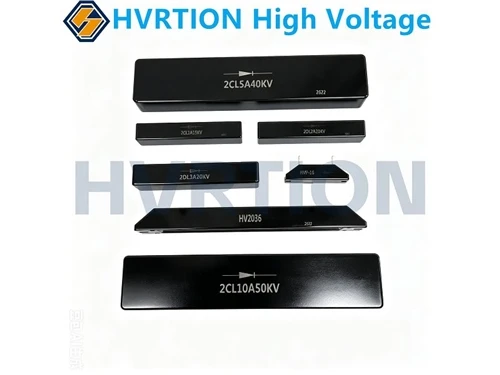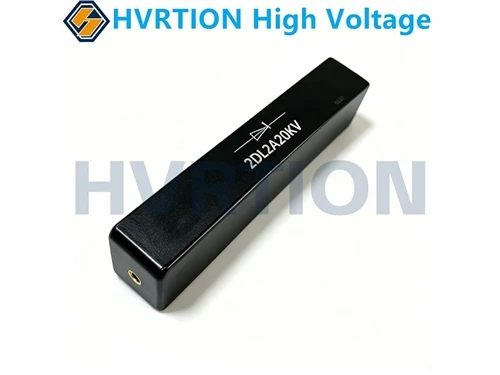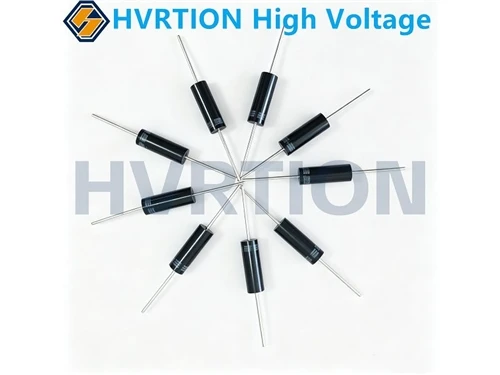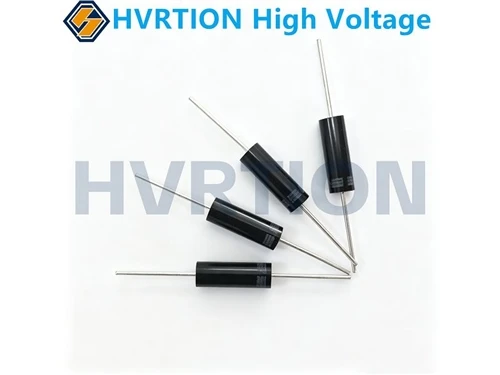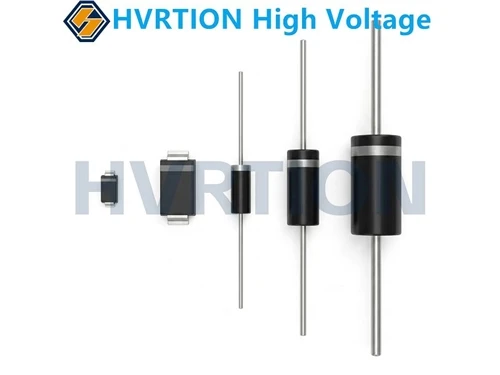
The main technical differences in high-voltage diodes lie in their response speed and thermal stability. A reverse recovery time in the 75 nanosecond range means the device can quickly switch between on and off states, which is particularly important for high-frequency switching power supplies. An operating temperature range of -40℃ to +125℃ reflects the maturity of semiconductor material selection and packaging processes, ensuring stable performance even in extreme environments. RoHS compliant designs also reflect the industry consensus on controlling hazardous substances in modern electronic components.
In practical applications, parameter characteristics need to be weighed according to the specific requirements of the scenario. Medical X-ray equipment prioritizes withstand voltage and leakage current control, while industrial frequency converters must prioritize switching losses and thermal management. The advantage of a stand-alone design lies in the flexibility of system layout, but it may require additional heat dissipation measures. Understanding these technical characteristics helps engineers make more rational device selection decisions in circuit design.