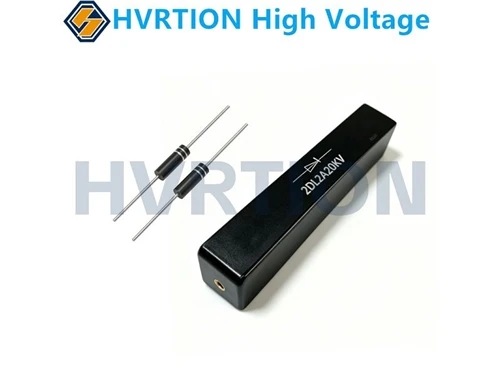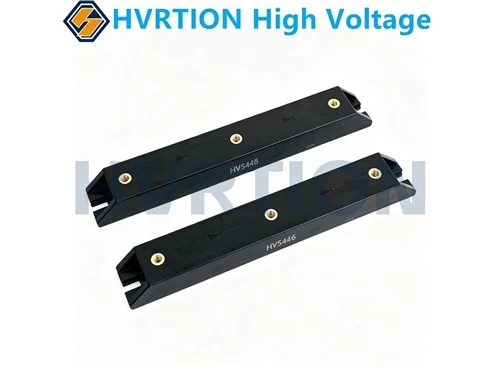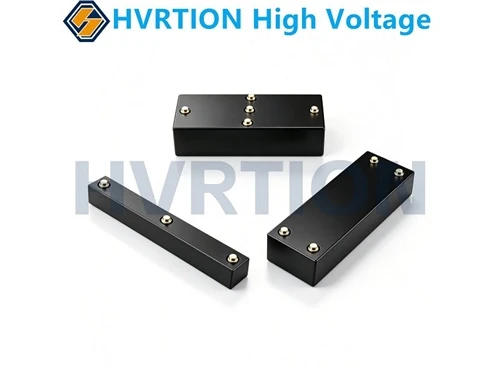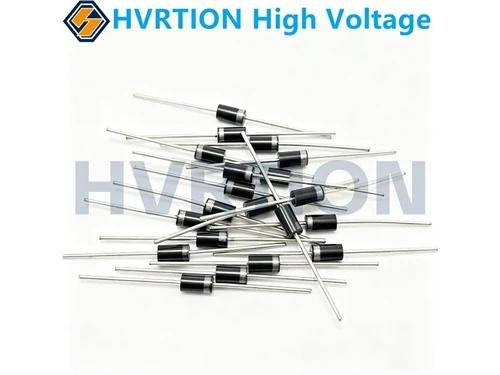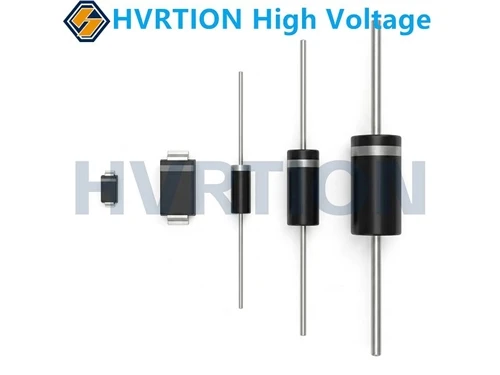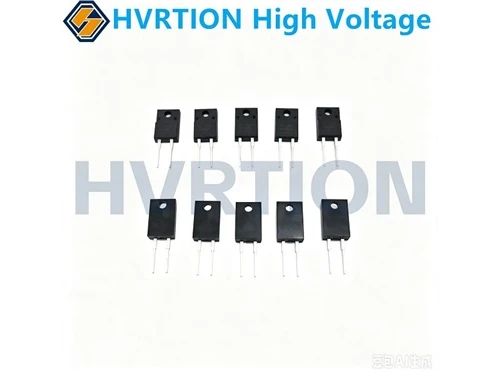
High-voltage diodes and high-voltage silicon rectifiers are two common high-voltage devices in electronic components. They are used in different circuit applications and have different characteristics and detection methods.
First, let's understand high-voltage diodes. A high-voltage diode, also known as a voltage-resistant diode, is a diode capable of withstanding high voltages. It can conduct current under forward voltage and has a very high withstand voltage under reverse voltage.
High-voltage diodes are usually made of silicon, hence the name high-voltage silicon diodes. Compared to ordinary diodes, high-voltage diodes have a much higher withstand voltage, capable of withstanding thousands of volts. They are commonly used in high-voltage rectifier circuits, high-voltage power supplies, medical equipment, and industrial circuits.
High-voltage silicon rectifiers, also known as high-voltage silicon rectifier modules, are rectifier modules composed of multiple high-voltage silicon diodes. They can convert alternating current (AC) signals to direct current (DC) and are commonly used in high-voltage DC power supplies, welding machines, and electrophoresis equipment.